Ditapis dengan

The State of Human Rights in Eleven Asian Nations - 2007
The Asian Human Rights Commission (AHRC) is an independent non-governmental organization that monitors the human rights situations in the region. It works at the local level with partner organizations, as well as at the regional and international levels, to advocate for the greater enjoyment of all rights and the prevention of violations thereof.
- Edisi
- Ke-1
- ISBN/ISSN
- 10:962-8314-34-3
- Deskripsi Fisik
- xiv-384 hlm
- Judul Seri
- -
- No. Panggil
- 060 STA

Dinamika Kekuasaan: Ekonomi Politik Indonesia Pasca-Soeharto
- Edisi
- -
- ISBN/ISSN
- 979-3330-35-x
- Deskripsi Fisik
- -
- Judul Seri
- -
- No. Panggil
- 959.804 VED d
- Edisi
- -
- ISBN/ISSN
- 979-3330-35-x
- Deskripsi Fisik
- -
- Judul Seri
- -
- No. Panggil
- 959.804 VED d
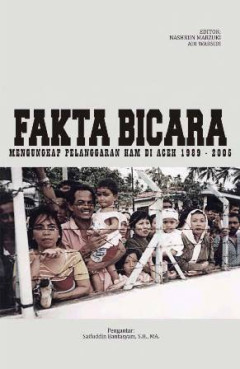
Fakta bicara: mengungkap pelanggaran HAM di Aceh 1989-2005
Mengungkap fakta kekerasan di Aceh sepanjang 1989 - 2005, yaitu: Daerah Operasi Militer (DOM), Darurat Militer (Darmil)1998 - 2003, Operasi Wibawa, Operasi Sadar Rencong I,II,III, Jeda Kemanusiaan (2000 - 2003), Operasi Cinta Meunasah I dan II, Operasi Keamanan dan Penegakan Hukum, COHA, Darurat Militer, dan Darurat Sipil.
- Edisi
- -
- ISBN/ISSN
- 978-979-15580-1-3
- Deskripsi Fisik
- 252p.; 23cm.
- Judul Seri
- -
- No. Panggil
- 320.9 FAK
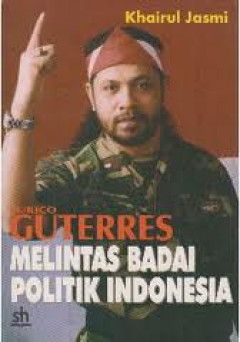
Eurico Guterres: Melintas badai politik Indonesia
Eurico Barros Gomes Guterres (born 1971[1] is a pro-Indonesian or anti-independence militia terrorist recruited by the Indonesian military. He was involved in several massacres in East Timor, and a chief militia leader during the post-independence massacre and destruction of the capital Dili. Though Indonesia officially convicted and sentenced Guterres to ten years imprisonment in November 200…
- Edisi
- -
- ISBN/ISSN
- 979-416-715-7
- Deskripsi Fisik
- XII, 280 hal, 21 cm
- Judul Seri
- -
- No. Panggil
- 320.598 KHA e

Eyewitness to integration of East Timor
- Edisi
- -
- ISBN/ISSN
- 979 416 519 0
- Deskripsi Fisik
- xii, 279 p.;ilustrated
- Judul Seri
- -
- No. Panggil
- 320.959856 HEN e
- Edisi
- -
- ISBN/ISSN
- 979 416 519 0
- Deskripsi Fisik
- xii, 279 p.;ilustrated
- Judul Seri
- -
- No. Panggil
- 320.959856 HEN e
Hari-hari terakhir Timor timur: sebuah kesaksian
- Edisi
- -
- ISBN/ISSN
- 979 97629 0 1
- Deskripsi Fisik
- xxii,463 p; 23cm.
- Judul Seri
- -
- No. Panggil
- 959.85 ZAC h
- Edisi
- -
- ISBN/ISSN
- 979 97629 0 1
- Deskripsi Fisik
- xxii,463 p; 23cm.
- Judul Seri
- -
- No. Panggil
- 959.85 ZAC h

The Politics of power: Freeport in Suharto's Indonesia
This is the first major analysis of Freeport-McMoRan's presence in Indonesia. It takes a close and detailed look at the changing nature of power relations between Freeport and Suharto, the Indonesian military, the traditional Papuan landowners, and environmnetal and human rights groups.
- Edisi
- -
- ISBN/ISSN
- 0 8248 2566 7
- Deskripsi Fisik
- xxv,347 p.
- Judul Seri
- -
- No. Panggil
- 995.1 DEN p
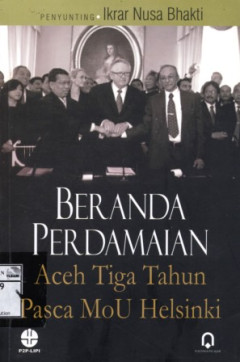
Beranda perdamaian: Aceh tiga tahun pasca MoU Helsinki
Buku ini menggambarkan dan menganalisis konflik dan perdamaian di Aceh pasca kesepakatan Helsinki (MoU antara Pemerintah RI dan Gerakan Aceh Merdeka(GAM), 5 Agustus 2005 di Helsinki, Finlandia). Sejak upaya pelaksanaan MoU, jenis konflik telah berubah dari konflik vertikal antara pemerintah pusat dengan GAM, menjadi konflik horizontal antar komponen masyarakat, terutama berkaitan dengan distrib…
- Edisi
- -
- ISBN/ISSN
- 978 602 8300 04 9
- Deskripsi Fisik
- xvi, 416 p. : ill. ; 23 cm.
- Judul Seri
- -
- No. Panggil
- 303.96 BER
Propaganda pemimpin politik Indonesia: Mengupas semiotika orde baru Soeharto
Buku yang awalnya adalah tesis penulis ini memperlihatkan kepada kita bagaimana realitas sosial dimanipulasi dan didistorsi melalui permainan semiotis, sehingga realitas yang diterima oleh masyarakat sebagai satu 'kebenaran' sesungguhnyatak lebih dari sebuah pemalsuan realitas dan pengelabuan informasi.
- Edisi
- -
- ISBN/ISSN
- 9789793330785
- Deskripsi Fisik
- xxx, 270p.; 23cm.
- Judul Seri
- -
- No. Panggil
- 320.9598 ARI p
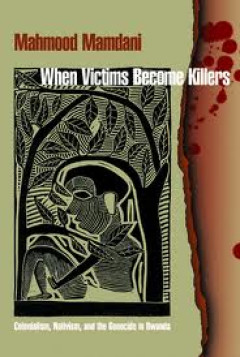
When victims become killers: colonialism, nativism, and the genocide in Rwanda
When we captured Kigali, we thought we would face criminals in the state; instead, we faced a criminal population." So a political commissar in the Rwanda Patriotic Front reflected after the 1994 massacre of as many as one million Tutsis in Rwanda. Underlying his statement is the realization that, though ordered by a minority of state functionaries, the slaughter was performed by hundreds of th…
- Edisi
- -
- ISBN/ISSN
- 0 691 10280 5
- Deskripsi Fisik
- 364 p.
- Judul Seri
- -
- No. Panggil
- 341.69 MAH w
 Karya Umum
  Filsafat
  Agama
Agama  Ilmu-ilmu Sosial
  Bahasa
  Ilmu-ilmu Murni
  Ilmu-ilmu Terapan
  Kesenian, Hiburan, dan Olahraga
  Kesusastraan
  Geografi dan Sejarah